2 Days Mikumi National Park
Safari Overview
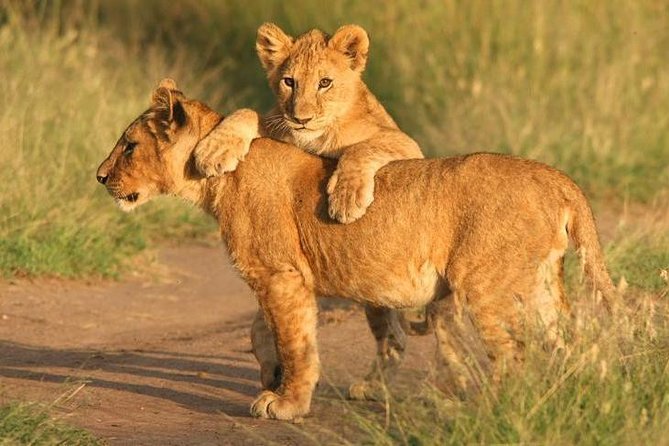
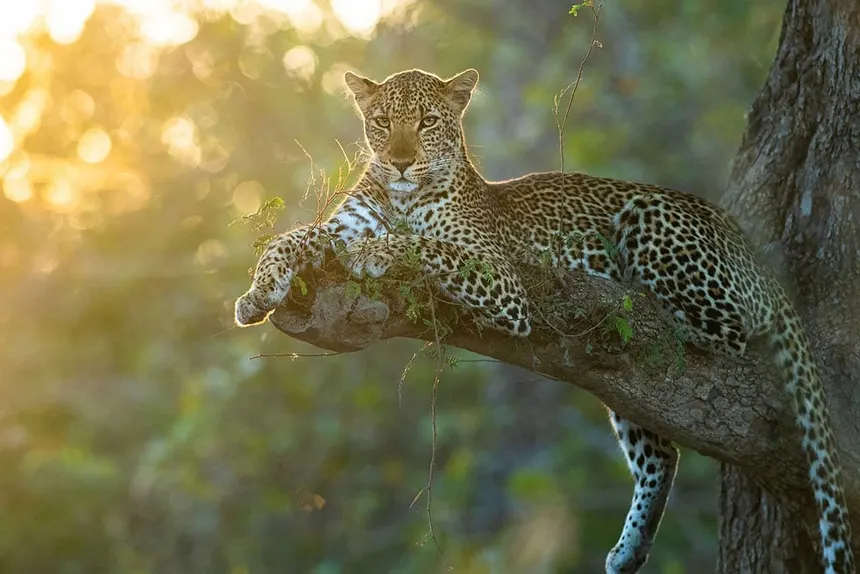
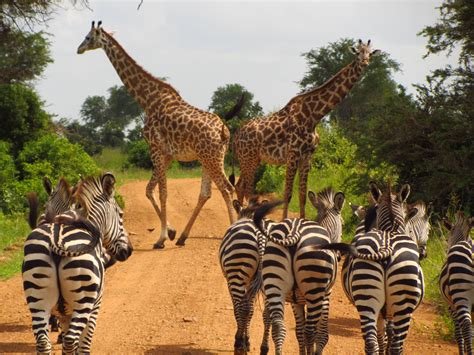
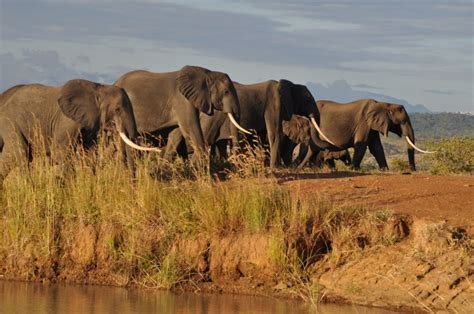
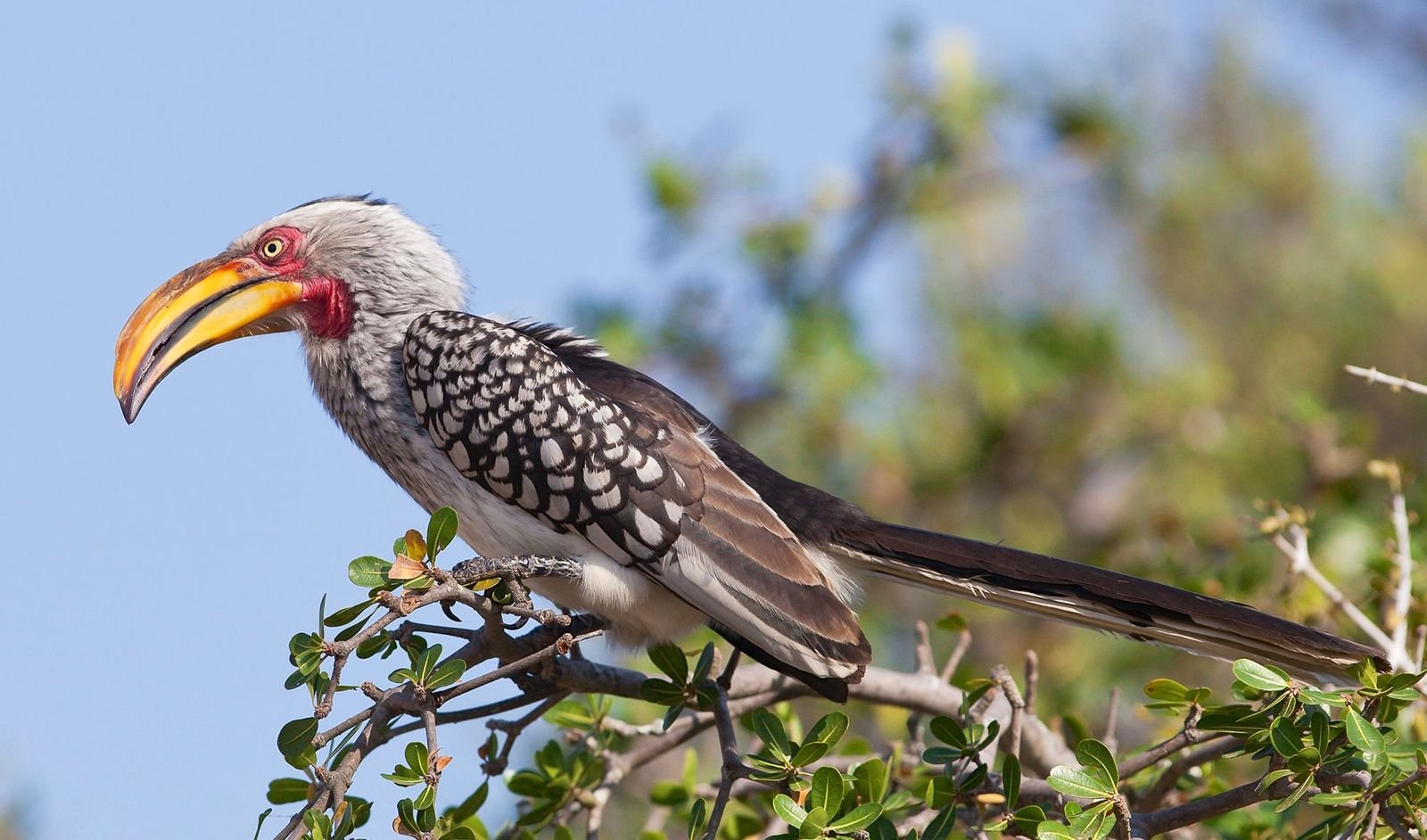
A 2-day safari in Mikumi National Park offers a concise yet immersive experience into Tanzania's rich wildlife and diverse ecosystems. Established in 1964, Mikumi is the country's fourth-largest national park, encompassing approximately 3,230 square kilometers. It shares its southern boundary with the Selous Game Reserve, contributing to a unique and expansive ecosystem. Wildlife and Scenery: Mikumi's landscape is often likened to the Serengeti, characterized by vast savannahs dotted with acacia, baobab, and tamarind trees. The park is home to a variety of wildlife, including elephants, zebras, giraffes, buffaloes, wildebeests, and various antelope species. Predators such as lions and wild dogs also inhabit the area. Bird enthusiasts can delight in over 400 bird species recorded within the park.
Day 1: Dar es Salaam – Mikumi National Park
After enjoying a hearty breakfast, you will be collected from your hotel or the airport in Dar es Salaam, and embark on your journey to Mikumi National Park. You are expected to arrive in time for lunch. Following your meal, you will embark on your first exciting game drive through the park, which is home to a diverse array of wildlife, including elephants, lions, wild dogs, zebras, hyenas, buffaloes, wildebeests, elands, hartebeests, crocodiles, and various species of lizards. The park is also renowned for its rich birdlife, with over 300 species recorded within its boundaries. Later in the evening, you will enjoy dinner and retire for the night at the Lodge.
Day 2: Mikumi – Dar es Salaam
After an early breakfast, you will depart the lodge for a captivating sunrise game drive in Mikumi National Park. The park’s landscape is varied, consisting of woodlands, wetlands, and expansive grasslands, with two notable waterholes, Mkata and Chamgore, which attract a variety of wildlife. In addition to observing bird species like the saddle-billed stork, hammerkop, and malachite kingfisher, you may also encounter monitor lizards and the elusive python, which are often found in the shallow waters. In the afternoon, you will begin your return journey to Dar es Salaam, with a break for lunch in Morogoro Town. Afterward, you will continue your journey to the designated drop-off point in Dar es Salaam, marking the conclusion of your safari experience.
Why Choose This Safari?
✅ Exclusive Wildlife Encounters – Ruaha has one of the highest lion densities in Africa and a thriving population of elephants and rare antelopes.
✅ Remote & Untouched Wilderness – Experience a true safari without crowds, making it one of the best places for an authentic African adventure.
✅ Stunning Scenery & Varied Ecosystems – From Baobab-studded plains to rocky escarpments and river valleys, Ruaha offers breathtaking landscapes.
✅ Combination of Game Drives & Walking Safaris – Enjoy both classic game viewing and a unique walking safari experience.
This itinerary offers an authentic and immersive Tanzanian safari, perfect for wildlife lovers, adventure seekers, and those looking to explore off-the-beaten-path destinations.
Included Packages
Excluded Packages
Packing List
Safari Activities
Best Time for Safari
The dry season (June–October and January–February) offers clear skies and is ideal for wildlife viewing as animals gather around water sources. Avoid the rainy season (March–May and November–December).
Ensure you're fully equipped for the adventure. Key items include: